- Ear, Nose & Throat
Ear
Nose
- Head & Neck
- Contact Us
- Ear, Nose & Throat
Ear
Nose
- Head & Neck
- Contact Us
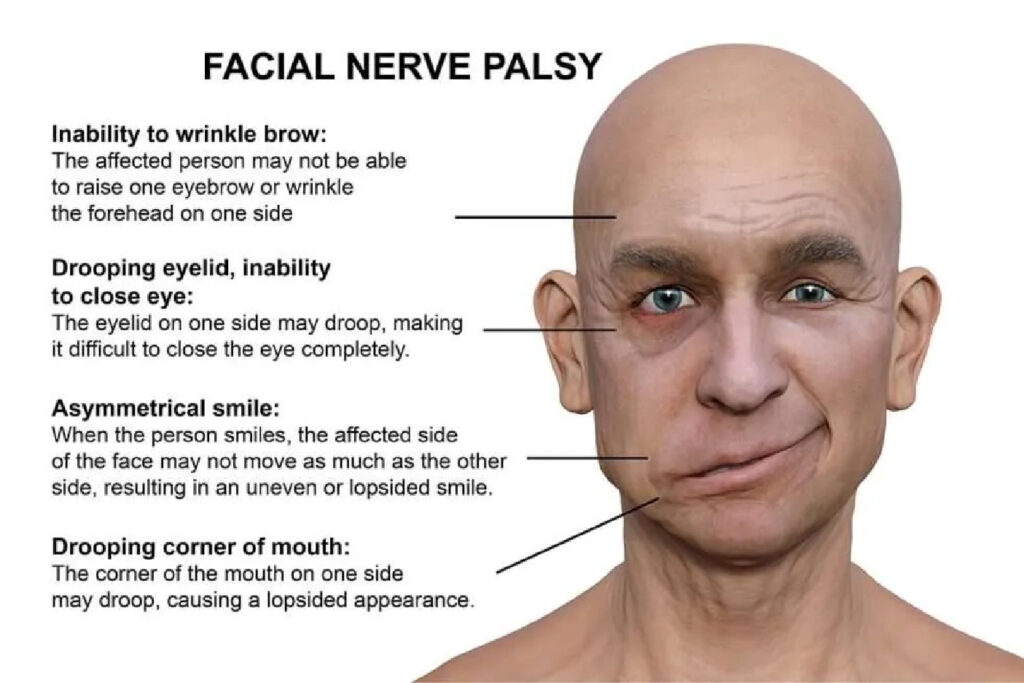
Bells palsy is a neurological condition also known as acute idiopathic facial paralysis. During an episode, sudden weakness or paralysis can affect one side of the face, which can be alarming for patients. Although the exact cause is not fully understood, Bells palsy is believed to result from inflammation or dysfunction of the facial nerve, also known as cranial nerve seven. This nerve controls facial movement and expression, as well as taste, tear production, and sensitivity to sound.
Damage or irritation of the facial nerve leads to a distinct set of symptoms that typically develop quickly, often within forty eight to seventy two hours. In many cases, symptoms gradually improve over several weeks, and most individuals recover fully within about six months. Some people may experience lasting facial weakness, and in rare cases, Bells palsy can recur after it has resolved.
Symptoms can range from mild to severe and may include:
• Sudden weakness or paralysis on one side of the face
• Drooping of facial features such as the eyebrow or corner of the mouth
• Difficulty making facial expressions
• Trouble closing one eyelid completely
• Drooling from one side of the mouth
• Headache
• Dry eye caused by reduced blinking, or excessive tearing as a response to dryness
• Jaw pain or ear pain
• Increased sensitivity to sound in one ear
• Changes or loss of taste
At ENT Specialists of Alberta, our experienced team provides thorough evaluation and personalized care for patients across Alberta experiencing symptoms of facial nerve conditions. Early assessment can help guide treatment and support recovery
Bells palsy can affect people of any gender and at any age, although it is most commonly seen in adults between the ages of fifteen and forty five. In Canada, thousands of individuals are affected each year.
While the exact cause of Bells palsy is not fully understood, several potential triggers have been identified. These may include:
• A pre existing dormant viral infection such as herpes simplex, mumps, or influenza
• A weakened immune system due to stress, illness, autoimmune conditions, or fatigue
• Infection or inflammation affecting the facial nerve
• Damage to the protective cells that insulate nerve fibers
In addition to these triggers, certain risk factors may increase the likelihood of developing Bells palsy. Having a risk factor does not guarantee that someone will develop the condition, and many people with no identifiable risk factors can still be affected. Pregnant individuals may have a higher risk, particularly during the third trimester or in cases of preeclampsia. Conditions such as diabetes, high blood pressure, and obesity have also been associated with an increased risk.
There is no single test used to diagnose Bells palsy. Your physician will begin with a physical examination to assess facial muscle weakness and rule out other possible causes of your symptoms. Additional testing may be recommended, including imaging such as MRI or CT scans, blood tests, or electromyography, which measures the electrical activity of muscles and the nerves that control them.
It is important to note that facial weakness or paralysis can also be a sign of a stroke. Symptoms should never be assumed to be caused by Bells palsy alone. Any sudden episode of facial paralysis should be treated as a medical emergency until a healthcare professional confirms the diagnosis.
Most people with Bells palsy make a full recovery, even without medical intervention, although recovery may take several months. During this time, treatment focuses on symptom management. This often includes protecting the affected eye to prevent dryness or injury when blinking or eyelid closure is impaired.
If medical care is sought within the first few days of symptom onset, an oral corticosteroid such as prednisone may be prescribed. Steroid treatment helps reduce inflammation and swelling of the facial nerve and has been associated with improved recovery outcomes when started early. Not all patients are suitable candidates for steroid therapy, particularly those with certain underlying health conditions.
Pain behind the ear or around the jaw may be managed with over the counter pain relief medications such as aspirin or ibuprofen. Patients should always consult their physician to ensure these medications do not interfere with other treatments or existing medical conditions.
Physical therapy may be recommended to help maintain facial muscle strength during recovery. This may include guided facial exercises or massage techniques. In rare cases where long term facial weakness or asymmetry persists, reconstructive procedures may be considered to improve eyelid closure or facial balance.
At ENT Specialists of Alberta, our experienced team is dedicated to providing comprehensive diagnosis, treatment, and ongoing care for patients across Alberta affected by Bells palsy.
If you or your child are experiencing facial weakness, drooping, or other symptoms that may be related to Bells palsy, contact ENT Specialists of Alberta today to schedule a consultation and receive timely care.
Discover comprehensive ENT care with our network of experienced providers across multiple convenient locations. From routine check-ups to specialized treatments, we’re here for all your ear, nose, and throat needs.