- Ear, Nose & Throat
Ear
Nose
- Head & Neck
- Contact Us
- Ear, Nose & Throat
Ear
Nose
- Head & Neck
- Contact Us
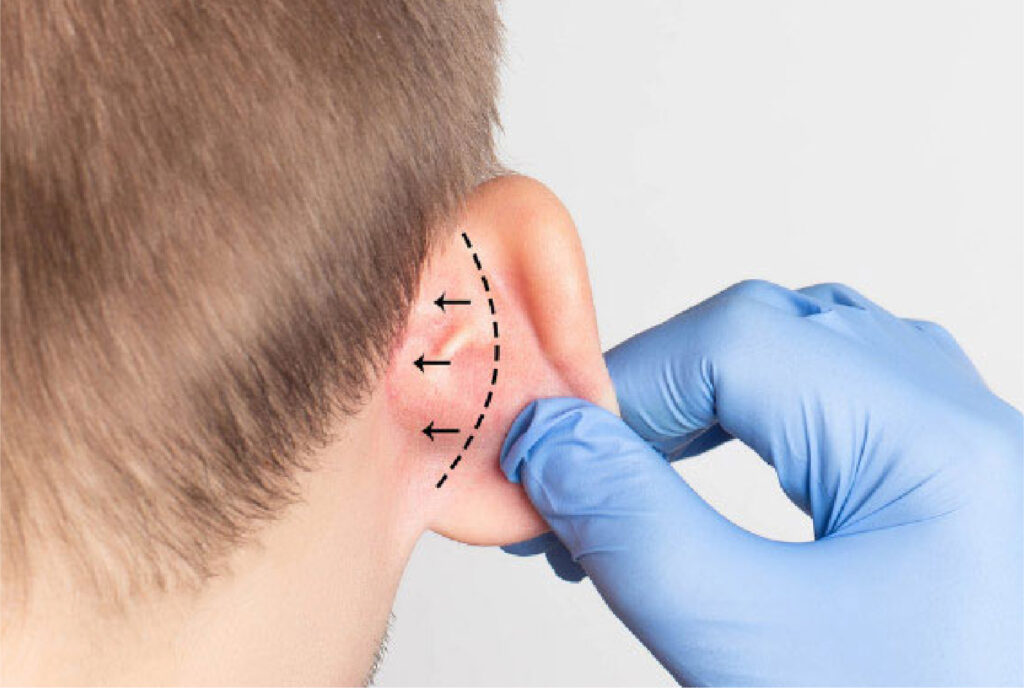
Otoplasty refers to a group of surgical procedures designed to change the appearance of the outer ear. While otoplasty is considered a cosmetic procedure, it can have a meaningful impact on confidence and self image for individuals who feel self conscious about the shape or position of their ears. Otoplasty focuses only on the external appearance of the ears and does not improve hearing ability.
Patients pursue otoplasty for many different reasons. A significant number of children are born with congenital ear differences, ranging from mild underdevelopment to more noticeable structural abnormalities of the outer ear. In some cases, reconstruction may involve reshaping existing tissue or using cartilage grafts to improve the ear’s appearance.
One of the most common reasons for otoplasty is to correct ears that protrude prominently from the head. This procedure is often referred to as ear pinning. Prominent ears can be an inherited trait and may affect one or both ears. Correcting this concern can help reduce unwanted attention and improve confidence, particularly for children and teenagers.
Otoplasty may also be performed to address ears that are unusually large, small, or asymmetrical. Additionally, ear deformities caused by injury or repeated trauma can sometimes be corrected surgically. A well known example is cauliflower ear, which can develop after repeated injury to the ear cartilage.
While otoplasty can improve the shape, size, and position of the outer ear, it does not change where the ear naturally attaches to the head.
Otoplasty can be performed using either local or general anesthesia. For younger children, general anesthesia is often recommended to ensure comfort and safety during the procedure.
Because otoplasty includes several different surgical techniques, the exact approach varies based on each patient’s needs. In general, a small incision is made behind or around the ear, allowing the surgeon to reshape cartilage, remove excess tissue, or reposition the ear to achieve the desired result. The specific method used depends on the goals of surgery and the structure of the ear.
At ENT Specialists of Alberta, our experienced surgeons provide personalized otoplasty consultations for patients across Alberta. We take the time to understand your concerns, explain your options, and create a treatment plan that aligns with your goals.
If you are considering otoplasty for yourself or your child, contact ENT Specialists of Alberta to schedule a consultation and learn how ear surgery may help restore confidence and balance to your appearance.
Treatment for eustachian tube dysfunction depends on the severity of symptoms and the underlying cause. In some cases, the condition may improve on its own. However, if symptoms persist for several weeks or worsen, medical treatment may be necessary. Without proper care, ongoing eustachian tube dysfunction can lead to hearing loss or damage to the middle ear and eardrum.
Mild cases may respond well to simple measures such as chewing gum, swallowing, yawning, or using a saline nasal spray. Some patients may also benefit from the Valsalva maneuver, which involves gently exhaling while keeping the mouth closed and pinching the nostrils to help equalize ear pressure.
Depending on the cause of your symptoms, your ear nose and throat specialist may recommend medications such as allergy treatments, antibiotics, or corticosteroids to reduce inflammation and improve tube function.
For individuals with chronic or severe eustachian tube dysfunction, surgical treatment may be considered to improve ventilation in the middle ear. Your specialist will discuss all available options and explain each procedure in detail so you can make an informed decision.
After otoplasty, your surgeon will provide detailed instructions to support a smooth and comfortable recovery. These instructions typically include keeping the ears clean and dry, protecting them with appropriate dressings, and avoiding pressure or friction as healing takes place. Patients are often advised to avoid pulling clothing over the head, wearing tight hats or beanies, and sleeping on the operated ear during the early recovery period.
It is normal to experience some tenderness, redness, swelling, and bruising following otoplasty. These effects are temporary and gradually improve as the ears heal. Most patients are able to return to normal daily activities within a short period, depending on the extent of the procedure.
Otoplasty may not be appropriate for everyone. Certain medical conditions, such as poorly controlled diabetes or blood clotting disorders, can increase the risk of delayed healing or complications. Individuals who regularly participate in activities that place the ears at risk of trauma, such as contact sports, may be advised to postpone surgery until those activities are no longer part of their routine.
While complications are uncommon when otoplasty is performed by an experienced surgeon, they can still occur. Careful patient selection and proper surgical technique help reduce risk, but no surgical procedure is entirely without potential complications.
One of the more common early complications after otoplasty is a hematoma, which occurs when blood collects beneath the skin and causes swelling or bruising. Prompt treatment can help prevent infection or damage to surrounding tissue. Other possible risks include infection, reaction to anesthesia, prolonged soreness, or temporary changes in sensation around the ear.
After healing is complete, the most frequently reported concern is dissatisfaction with the final cosmetic result. In some cases, patients may seek a revision procedure to further refine the appearance of the ears.
Otoplasty can be performed by a variety of surgical specialists, including ear nose and throat surgeons, plastic surgeons, and oral and maxillofacial surgeons. At ENT Specialists of Alberta, our experienced team is available to answer your questions, assess your suitability for otoplasty, and guide you through every step of the process.
If you are considering ear surgery and would like expert care in Alberta, contact ENT Specialists of Alberta to schedule a consultation and learn more about your options.
Discover comprehensive ENT care with our network of experienced providers across multiple convenient locations. From routine check-ups to specialized treatments, we’re here for all your ear, nose, and throat needs.