- Ear, Nose & Throat
Ear
Nose
- Head & Neck
- Contact Us
- Ear, Nose & Throat
Ear
Nose
- Head & Neck
- Contact Us
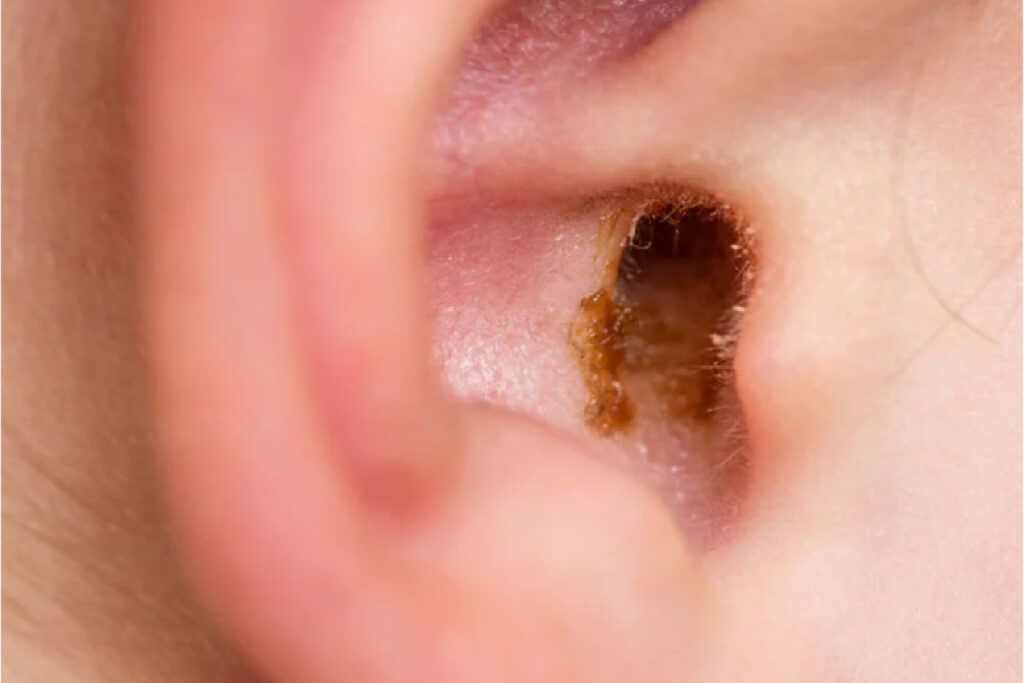
Eustachian tube dysfunction occurs when the tubes that connect the middle ear to the throat become blocked or do not function properly. This can lead to uncomfortable symptoms such as ear pain, pressure, and hearing difficulties. In some cases, the condition may resolve on its own within a few days. However, if symptoms persist, medical evaluation is important.
If you are experiencing symptoms of eustachian tube dysfunction, the ear nose and throat specialists at ENT Specialists of Alberta provide expert care for patients across Alberta to help relieve discomfort and restore normal ear function.
There are three main types of eustachian tube dysfunction.
Patulous eustachian tube dysfunction occurs when the tube remains abnormally open. This can cause symptoms such as hearing your own voice or breathing loudly in the ear.
Obstructive eustachian tube dysfunction occurs when the tube does not open properly, leading to fluid buildup and pressure in the middle ear.
Baro challenge induced eustachian tube dysfunction happens when the ear has difficulty adjusting to pressure changes, such as during air travel or changes in altitude.
Your ear nose and throat specialist will work to determine the underlying cause of your symptoms. Common causes of eustachian tube dysfunction include allergies, acid reflux, colds, and influenza, all of which can cause inflammation and swelling around the tube.
Certain anatomical or medical conditions may also increase the risk of eustachian tube dysfunction. These can include cleft palate and other structural differences that affect how the tube opens and closes.
At ENT Specialists of Alberta, we provide thorough evaluation and individualized treatment plans to help patients across Alberta manage eustachian tube dysfunction and protect long term ear health.
If you are experiencing ongoing ear pressure, hearing changes, or discomfort, contact ENT Specialists of Alberta today to schedule a consultation and receive expert care.
Treatment for eustachian tube dysfunction depends on the severity of symptoms and the underlying cause. In some cases, the condition may improve on its own. However, if symptoms persist for several weeks or worsen, medical treatment may be necessary. Without proper care, ongoing eustachian tube dysfunction can lead to hearing loss or damage to the middle ear and eardrum.
Mild cases may respond well to simple measures such as chewing gum, swallowing, yawning, or using a saline nasal spray. Some patients may also benefit from the Valsalva maneuver, which involves gently exhaling while keeping the mouth closed and pinching the nostrils to help equalize ear pressure.
Depending on the cause of your symptoms, your ear nose and throat specialist may recommend medications such as allergy treatments, antibiotics, or corticosteroids to reduce inflammation and improve tube function.
For individuals with chronic or severe eustachian tube dysfunction, surgical treatment may be considered to improve ventilation in the middle ear. Your specialist will discuss all available options and explain each procedure in detail so you can make an informed decision.
Common symptoms of eustachian tube dysfunction may include:
Common symptoms of eustachian tube dysfunction may include:
Surgical treatments may include:
Surgical treatments may include:
Everyday moments should not be interrupted by ongoing ear discomfort or hearing problems. At ENT Specialists of Alberta, our experienced team provides compassionate, personalized care to help patients across Alberta return to normal activities and enjoy life without persistent ear symptoms.
If you are experiencing ongoing ear pressure, hearing changes, or discomfort, contact ENT Specialists of Alberta today to schedule a consultation and take the first step toward relief.
Discover comprehensive ENT care with our network of experienced providers across multiple convenient locations. From routine check-ups to specialized treatments, we’re here for all your ear, nose, and throat needs.