
- Ear, Nose & Throat
Ear
Nose
- Head & Neck
- Contact Us
- Ear, Nose & Throat
Ear
Nose
- Head & Neck
- Contact Us
Autoimmune inner ear disease, often referred to as AIED, is an uncommon condition that affects approximately fifteen out of every one hundred thousand people. With this condition, the immune system mistakenly attacks the cells of the inner ear, leading to progressive hearing loss. While the exact cause of this immune response is not fully understood, AIED most commonly affects adults between the ages of twenty and fifty. It occurs in both men and women, with a slightly higher prevalence in women. Although rare, it can also occur in children.
Autoimmune inner ear disease is marked by progressive sensorineural hearing loss that typically affects both ears, though one ear may be more affected than the other. The speed at which hearing loss develops can vary significantly. Some individuals experience a rapid decline over several weeks, while others notice a slower progression over months. Understanding how quickly hearing loss begins can help specialists distinguish AIED from sudden hearing loss or age related hearing changes. Hearing levels in AIED may also fluctuate over time.
Additional symptoms of autoimmune inner ear disease may include:
• Vertigo or dizziness, reported in about half of cases
• Tinnitus, which may present as ringing, buzzing, clicking, or other sounds in the ear
• A feeling of fullness or pressure in the ear
In some cases, autoimmune inner ear disease occurs on its own and affects only the inner ear. In other situations, it may be linked to a broader autoimmune condition that impacts other areas of the body. Approximately thirty percent of AIED cases are associated with systemic autoimmune disorders such as Sjogren syndrome, rheumatoid arthritis, or lupus. Individuals with these conditions may also experience symptoms such as fatigue, muscle aches, or fever in addition to hearing loss.
At ENT Specialists of Alberta, our experienced team provides thorough assessment and personalized care for patients across Alberta who are experiencing symptoms of autoimmune related hearing conditions. Early evaluation and treatment can play an important role in protecting long term hearing health.
Diagnosing autoimmune inner ear disease can be challenging, as there is no single test that can confirm the condition. Symptoms of AIED often overlap with other ear disorders, and early stages may be mistaken for an ear infection. Conditions such as Meniere disease can also present with similar symptoms.
Diagnosis of autoimmune inner ear disease is typically based on a combination of factors, including:
• A detailed review of symptoms and medical history to rule out more common causes of sensorineural hearing loss
• Test results that suggest an autoimmune response within the body
• Yawning or gently stretching your jaw
• A positive response to immunosuppressive treatment
Initial treatment for autoimmune inner ear disease often involves corticosteroid medications to reduce immune system overactivity. An ear nose and throat specialist may recommend starting corticosteroid therapy early, even before a definitive diagnosis is confirmed, as prompt treatment can help limit further hearing loss. Care is often coordinated with other healthcare professionals such as audiologists and rheumatologists to ensure comprehensive management.
Not all individuals with AIED respond well to steroid treatment, particularly over the long term. In these cases, alternative immunosuppressive medications such as methotrexate or ciclosporin may be considered. Certain biologic therapies, including rituximab, have also shown some benefit, although available evidence remains limited.
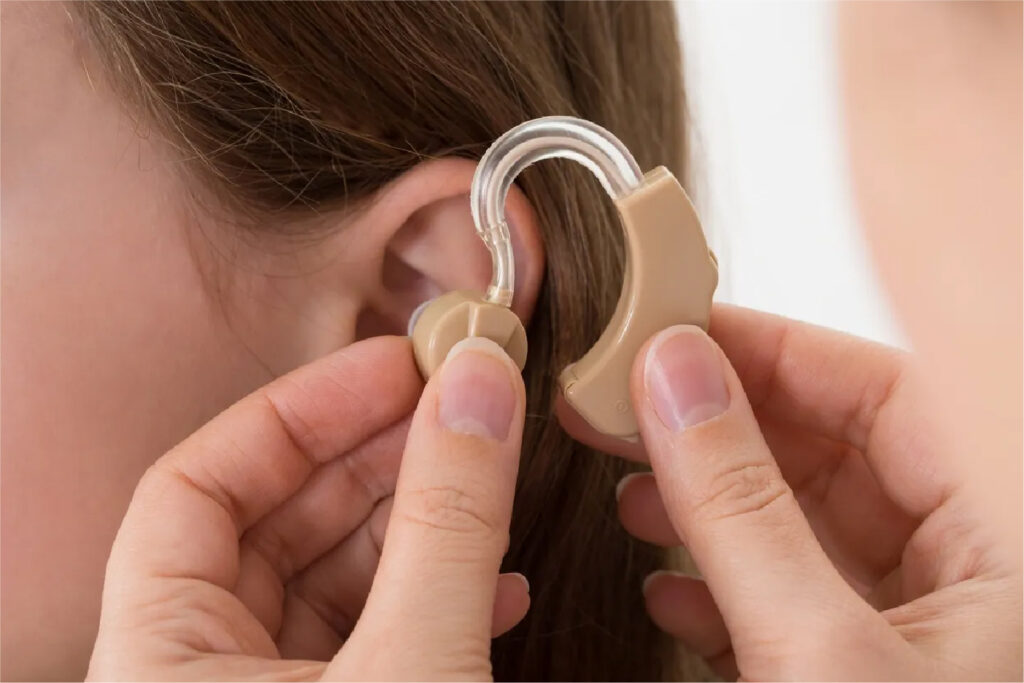
After evaluation by an ear nose and throat specialist or audiologist, individuals with sensorineural hearing loss may benefit from hearing aids to improve communication and quality of life. For those with severe or profound hearing loss, a cochlear implant may be the most effective treatment option.
At ENT Specialists of Alberta, our team works closely with patients across Alberta to provide individualized diagnosis, treatment, and long term support for autoimmune related hearing conditions.
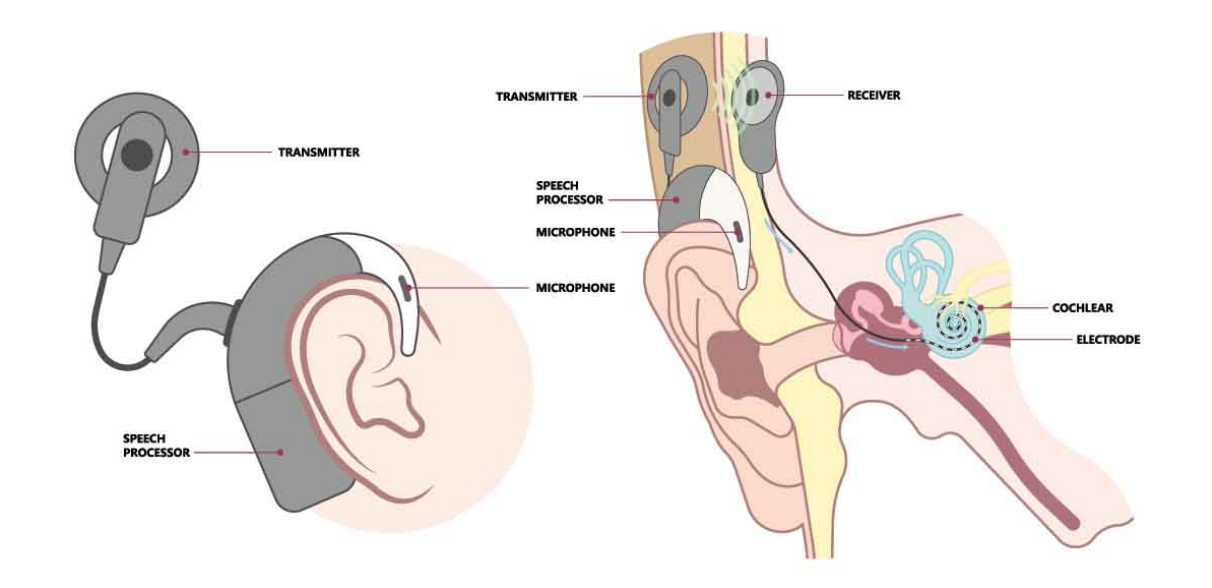
While hearing aids work by amplifying sounds picked up by the ear, they may not be effective if the structures of the inner ear are too damaged to transmit sound signals properly. In these situations, a cochlear implant may be recommended. Cochlear implants bypass the damaged parts of the ear and connect directly to the auditory nerve, allowing sound signals to be sent to the brain for interpretation.
There is still much to learn about autoimmune inner ear disease. As research continues and understanding of this condition improves, more advanced and effective treatment options may become available in the future.
At ENT Specialists of Alberta, our experienced team is committed to providing compassionate, expert care for patients across Alberta.
If you or your child are experiencing symptoms that may be related to autoimmune inner ear disease, contact ENT Specialists of Alberta today to schedule a consultation and take the next step toward answers and relief.
Discover comprehensive ENT care with our network of experienced providers across multiple convenient locations. From routine check-ups to specialized treatments, we’re here for all your ear, nose, and throat needs.